A.I. Landscape 2025

The Purpose of Different Types of A.I.

Artificial intelligence (A.I.) has become an essential tool in various industries, improving efficiency, decision-making, and automation. However, not all A.I. systems serve the same purpose. Below, we categorize different types of A.I. based on their primary functions and explain how they are transforming our world.

Generative A.I.

Generative A.I. is designed to create new content, such as text, images, music, or even code. It learns from existing data and generates original outputs based on patterns and styles.

Conversational A.I.

Conversational A.I. enables machines to understand and respond to human language through chatbots, virtual assistants, and voice recognition systems.

Computer Vision A.I.

This type of A.I. allows machines to interpret and analyze visual information from the world, similar to human vision.

Predictive Analytics A.I.

Predictive A.I. uses historical data and machine learning to forecast trends, behaviors, and outcomes.

Robotics A.I.

A.I. in robotics enables machines to perform physical tasks autonomously or semi-autonomously, often used in manufacturing and service industries.

Recommendation A.I.

This type of A.I. analyzes user behavior and preferences to provide personalized content or product recommendations.

Presentation & Design A.I.

A.I. tools that assist in creating presentations, graphic design, and visual storytelling.

Healthcare & Biotech A.I.

A.I. plays a crucial role in diagnosing diseases, drug discovery, and personalized treatment plans.

Cybersecurity A.I.

A.I. enhances security by detecting and preventing cyber threats in real time.

Finance & Trading A.I.

This category of A.I. assists in financial analysis, trading strategies, and fraud detection.

A.I. continues to revolutionize industries by enhancing productivity, accuracy, and automation. Understanding the different types of A.I. and their purposes can help businesses and individuals harness their potential effectively. As technology advances, A.I. will only become more integrated into our daily lives, shaping the future of work, creativity, and innovation.

FDIC: banks Need No Approval to Use Cryptocurrencies

The FDIC Clears the Way: Banks Can Now Enter the Crypto Market

The financial world is evolving, and a major shift just took place. In a press release today, The Federal Deposit Insurance Corporation (FDIC) has officially cleared the way for banks to enter the cryptocurrency space. This decision marks a pivotal moment for both traditional banking institutions and the rapidly growing digital asset industry.

What Does This Mean?

For years, banks have been hesitant to engage with crypto due to regulatory uncertainty. The FDIC’s recent move signals a change, providing clear guidelines that allow federally insured banks to offer crypto-related services. This means that banks can now:

  • Hold cryptocurrency on behalf of customers

  • Offer crypto investment products

  • Facilitate crypto transactions

  • Integrate blockchain technology into banking services

Why This Matters

This shift is significant for a few key reasons:

  • Increased Trust in Crypto – With banks now able to provide crypto services, more consumers may feel comfortable entering the market.
  • Mainstream Adoption – Traditional banks embracing crypto could accelerate mass adoption, making digital assets a part of everyday finance.
  • New Revenue Streams for Banks – Crypto services provide financial institutions with new ways to generate revenue, from custody services to trading platforms.
  • Regulatory Clarity – The FDIC’s involvement sets a precedent for future regulations, creating a clearer framework for crypto integration.

Challenges & Considerations

While this is a huge step forward, challenges remain. Banks will need to navigate security concerns, regulatory compliance, and volatility risks. Additionally, not all institutions will jump in immediately—some may take a wait-and-see approach before fully integrating crypto services.

The Future of Banking and Crypto

With the FDIC opening the door, the relationship between traditional finance and cryptocurrency is set to deepen. Expect to see more banks rolling out crypto-friendly services, digital wallets, and even DeFi-inspired banking products.

This is just the beginning of a new era in finance—one where traditional banking and decentralized finance (DeFi) begin to merge. Are you ready for the future of crypto-backed banking? SBLOCK can help.

First Quarter 2025

Greetings, SBLOCK users and customers! We know it’s been a while since our last update, but rest assured, we’ve been hard at work on exciting projects behind the scenes. The Fin-Tech industry is evolving rapidly, and we’re here to ensure that we keep growing alongside it.

Crypto Moving in the Right Direction

Recent developments in the regulatory landscape have signaled a potential shift toward greater institutional adoption of Bitcoin and digital assets. As the U.S. explores regulatory reforms, the industry must remain vigilant and adaptable.

Additionally, major lawsuits involving companies like Coinbase, Consensys, Binance, and Tron have either been settled or dropped, marking a pivotal moment in the crypto space. These legal outcomes suggest a new chapter for blockchain adoption, with regulatory clarity potentially paving the way for broader acceptance and innovation.

Growth and Expansion at SBLOCK

While we’ve been busy with projects, we recognize the importance of keeping you informed about our progress. The great news is that we are growing! Our assets have increased in value, and our company continues to expand. To support this growth, we are actively hiring, with a focus on strengthening our team and enhancing our ability to keep you updated with the latest industry insights.

As always, we appreciate your support and trust in SBLOCK. Stay tuned for more updates, and if you’re looking to be part of an innovative team shaping the future of crypto and the future of financial technology, contact us, we’d love to hear from you!

Stay connected, stay informed, and keep moving forward with SBLOCK.

The SBLOCK Team

BRICS (Brazil, Russia, India, China, South Africa)

China and bRICS – Making Moves

China continues it’s rise to power as BRICS leaves the IMF and WTO.  To date, China has sold off 39% of U.S. treasury bonds.  For the last 10 years China has steadily lowered it’s U.S. treasury holding and at this point China’s holdings is 39% off it’s high.

As of 2024, the United States has the largest economy in the world, with a nominal GDP of over $26 trillion. China is the second-largest economy, with a GDP of around $19 trillion. However, when measured by purchasing power parity (PPP), China surpasses the U.S., reflecting differences in cost of living and inflation rates between countries.

As of 2024, the purchasing power parity (PPP) GDP for the two largest economies is as follows:

  • China: Approximately $33 trillion USD (PPP)
  • United States: Approximately $27 trillion USD (PPP)

PPP adjusts for price level differences across countries, providing a more accurate comparison of the economic productivity and living standards between countries. This metric shows that China, despite having a lower nominal GDP, has a higher PPP GDP due to the generally lower cost of goods and services in China compared to the United States.

Singapore Moving Ahead with Paxos

Paxos recently received approval to offer digital payment services from Singapore.  Paxos is a private company that offers Blockchain infrastructure to enterprises.  They were the ones responsible for issueing the PayPal stablecoin.  Paxos also issues Pax Gold, a digital token backed by physical gold.  They believe it’s the safest way to own investment-grade physical gold.  Paxos also have a U.S. Dollar stable coin called USDP, available on Ethereum and Solana.  Paxos is one of those companies doing big things to advance the cryptocurrency space.

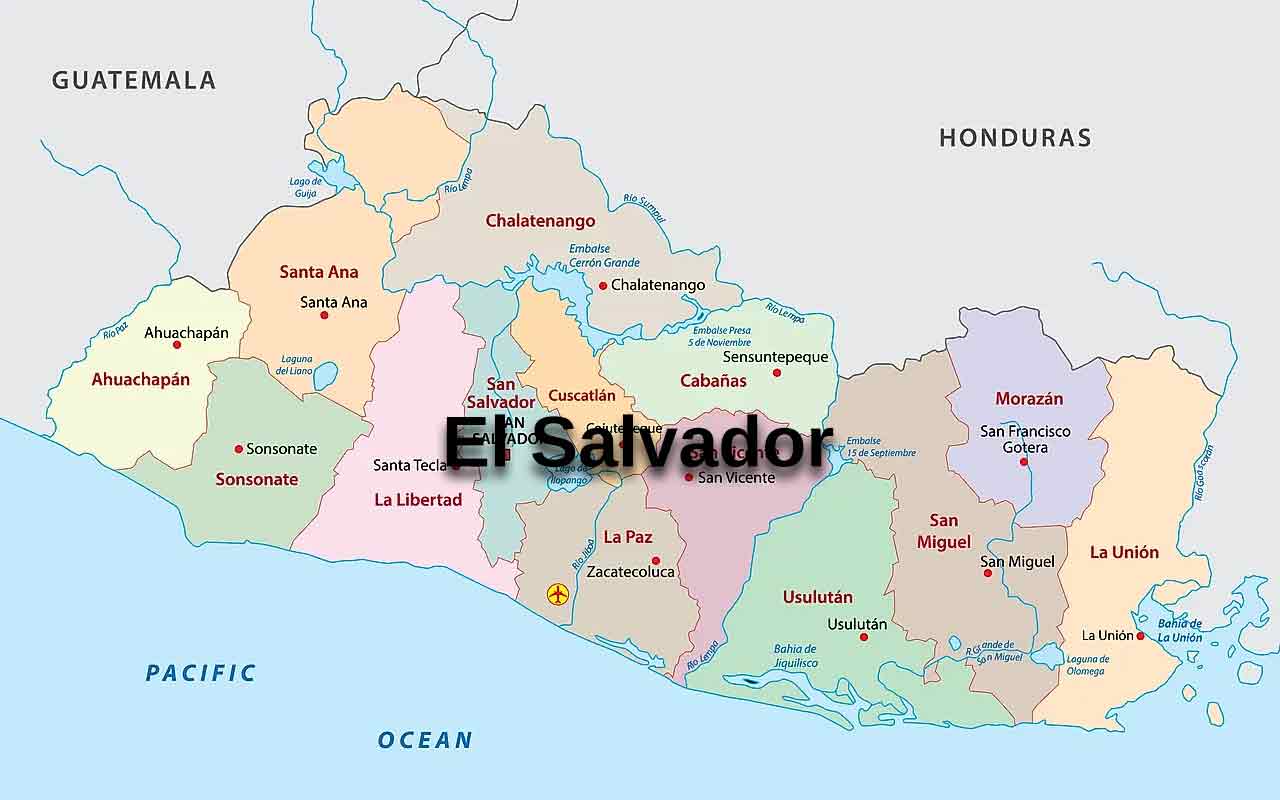
El Salvadore Love their Crypto President

Nayib Bukele has apparently won his second term as president in a landslide victory.

Nayib Bukele Wins El Salvador’s 2024 Election – Twitter.com


Keeping it simple apparently El Salvador love their Crypto President.  Bukele has been in the for front of the news for cracking down and violence in El Salvador and using Bitcoin as a legal tender.  The eyes of the world are on El Salvador for standing behind the drastic measures taken to ensure safety and security both physically and financially.   Many are  ht

The SEC Regulating Cryptocurrency and Exchanges

SBLOCK continues to see the SEC regulating the cryptocurrency and exchange industry as a good thing. It adds validity to cryptocurrencies and tokens as a form of exchange. The industry could use more investor protection and market integrity in the wake of the FTC scandal. The price of Bitcoin, the leading cryptocurrency continue to rise and fall and seems to be on it’s way up for the halving.

There are still CDBC (Central Bank Digital Currencies) expected to be released but no one except the Bahamas has actually created one. The politics of money continues while El Salvadore benefit from using Bitcoin as it’s means of exchange. The utiltiy of the BlockChain proves itself.

At SBLOCK we know that the BlockChain and cryptocurrencies are the future of Financial Technology.

El Salvador’s bonds Increase 70% in 2023

El Salvador, the country that decided to make Bitcoin a legal tender has seen it’s bonds increase by 70% for 2023.  We like to call “The little country that could”.- So they did.  Now investors from over the globe are paying attention.  Such as one of my favorites JP Morgan Chase, where one of there strategist wrote,

“Although we missed a significant share of the rally, we still think there’s value across El Salvador’s curve. There’s room for this credit to keep outperforming.”

It’s another win for Bitcoin.  Coin Telegraph has the full story.

Fed Now Update

SBLOCK is looking forward to data coming out of the fed now system. A month ago (June 29, 2023), 57 institutions were said to have been certified to utilize the “FedNow” instant payment system. we look toward analyzing the data from the usage of that system.  According to the Federal Governments website, they look forward to onboarding 10,000 U.S. financial Institutions.  We do hope that FedNow welcomes financial institutions from all over the world.

Organizations that have completed certification in the FedNow Service

Participants

  • 1st Bank Yuma
  • 1st Source Bank
  • Adyen
  • Alloya Corporate Federal Credit Union
  • Atlantic Community Bankers Bank
  • Avidia Bank
  • Bankers’ Bank of the West
  • BNY Mellon
  • Bridge Community Bank
  • Bryant Bank
  • Buffalo Federal Bank
  • Catalyst Corporate Federal Credit Union
  • Community Bankers’ Bank
  • Consumers Cooperative Credit Union
  • Corporate America Credit Union
  • Corporate One Federal Credit Union
  • Eastern Corporate Federal Credit Union
  • First Internet Bank of Indiana
  • Global Innovations Bank
  • HawaiiUSA Federal Credit Union
  • JPMorgan Chase
  • Malaga Bank
  • Mediapolis Savings Bank
  • Michigan Schools & Government Credit Union
  • Millennium Corporate Credit Union
  • Nicolet National Bank
  • North American Banking Company
  • PCBB
  • Peoples Bank
  • Pima Federal Credit Union
  • Quad City Bank & Trust
  • Salem Five Bank
  • Star One Credit Union
  • The Bankers Bank
  • United Bankers’ Bank
  • U.S. Bank
  • U.S. Century Bank
  • U.S. Department of the Treasury’s Bureau of the Fiscal Service
  • Veridian Credit Union
  • Vizo Financial Corporate Credit Union
  • Wells Fargo Bank, N.A.

Service Providers

  • ACI Worldwide Corp.
  • Alacriti
  • Aptys Solutions
  • ECS Fin Inc.
  • Finastra
  • Finzly
  • FIS
  • Fiserv Solutions, LLC
  • FPS GOLD
  • Jack Henry
  • Juniper Payments, a PSCU Company
  • Open Payment Network
  • Pidgin, Inc.
  • Temenos
  • Vertifi Software, LLC